Vehicle Service Every Driver Needs and Why Staying on Schedule Matters
Whether you’re driving through the busy streets of Houston, cruising around Atlanta, or heading toward the coast near Pensacola or Fort Walton Beach, keeping up with regular vehicle maintenance is one of the smartest investments you can make.
Routine service doesn’t just keep your car running smoothly, it prevents expensive repairs, preserves resale value, and helps you catch small problems before they turn into big ones.
Across dealership service centers throughout the Southeast U.S., the same essential services show up on nearly every repair order. Let’s take a look at the most common ones and why they matter more than most drivers realize.
Table of Contents
1. Oil and Filter Changes
The Lifeblood of Your Engine
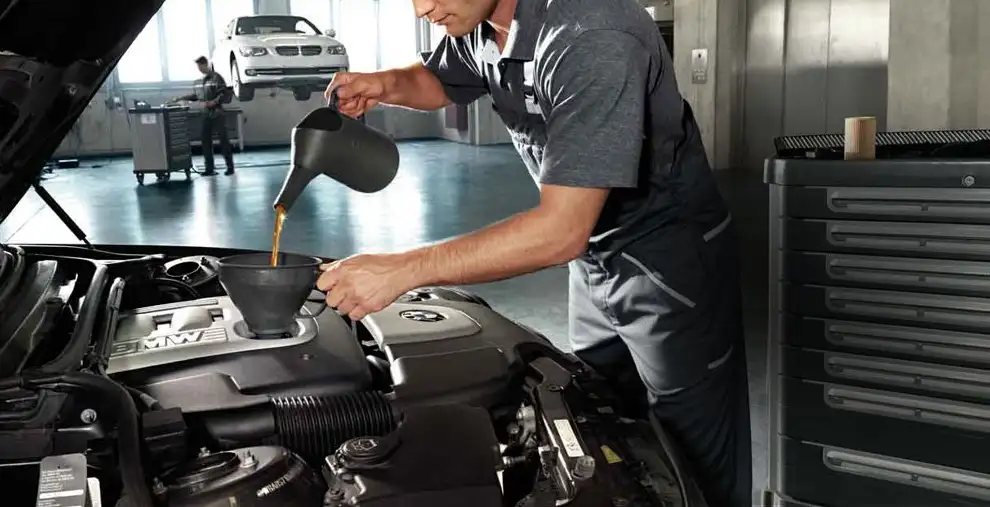
If there’s one service every car owner knows, it’s the oil change. Engine oil lubricates moving parts, reduces friction, and carries away heat and debris. Over time, that oil breaks down. In hot, humid climates like Texas, Alabama, Georgia, and Florida, it can lose its ability to protect your engine.
Why It Matters
Neglecting oil changes can lead to sludge buildup and even engine failure. That’s why most manufacturers recommend changing oil every 5,000 – 7,500 miles (or sooner for severe driving conditions).
Modern vehicles often require synthetic oil, which lasts longer and performs better under extreme temperatures — a plus for drivers navigating Houston heat or Atlanta traffic.
Pro Tip
Always change the oil filter with the oil. The filter traps metal shavings and dirt that could circulate back into your engine if left unchanged.
2. Brake Pad and Rotor Replacement
Stopping Power You Can Count On
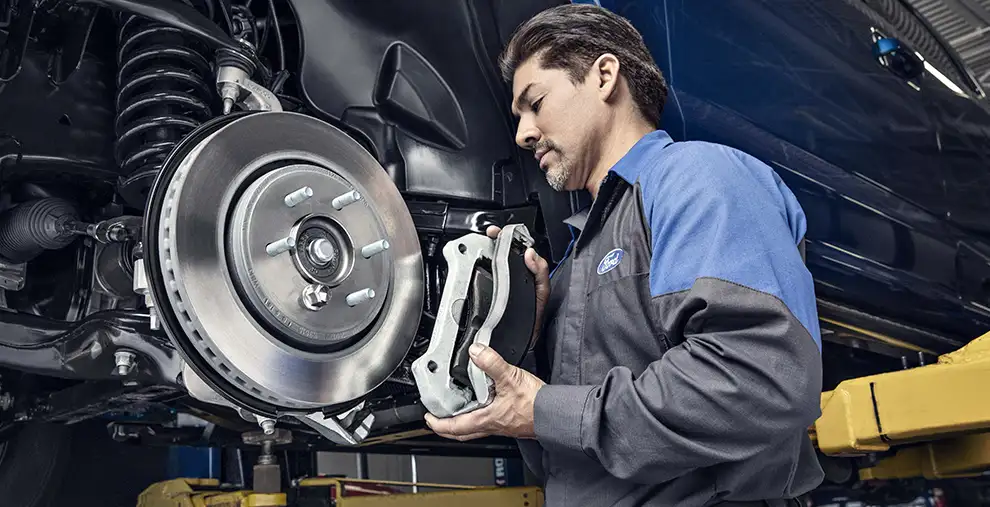
Brakes are second only to oil changes in frequency. Over time, brake pads wear down, and rotors can warp or glaze. This leads to reduced braking performance and increasing stopping distance.
Why It Matters
Worn brakes aren’t just noisy; they’re unsafe. You might notice squealing, grinding, vibration, or a longer stopping distance.
Given the start-and-stop driving common in Atlanta or Houston, brake wear can happen faster than you think. Regular inspections every 6 months or 6,000 miles can prevent more expensive repairs later.
Pro Tip
Ask about ceramic or OEM-quality brake pads. They last longer, produce less brake dust, and keep your wheels cleaner.
3. Tire Rotations, Balancing & Alignment
Extending Tire Life
Tires are your only contact with the road, yet they’re often overlooked. Uneven wear patterns, potholes, and curbs (especially common on city roads in Florence, Smyrna, and Fort Walton Beach) can cause alignment issues and shorten tire lifespan.
Why It Matters
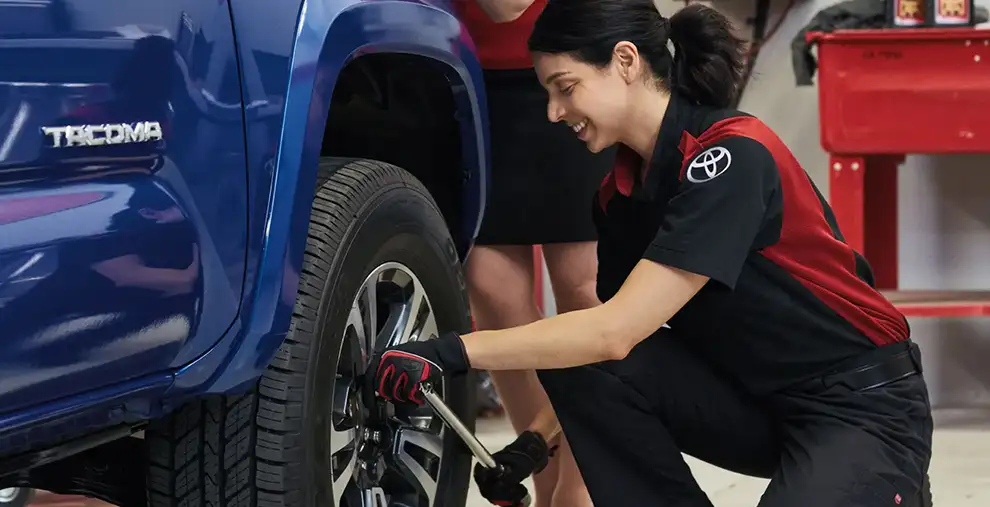
Routine tire rotations and balancing every 6,000 – 8,000 miles promote even wear, while wheel alignments ensure your vehicle tracks straight and your steering wheel stays centered. Poor alignment not only affects handling but also reduces fuel economy.
Pro Tip
If your steering pulls to one side or your tires show uneven wear, it’s time for an alignment. It’s a quick, affordable service that can save you hundreds in premature tire replacement.
4. Battery Testing & Replacement
Avoiding the Unexpected No-Start
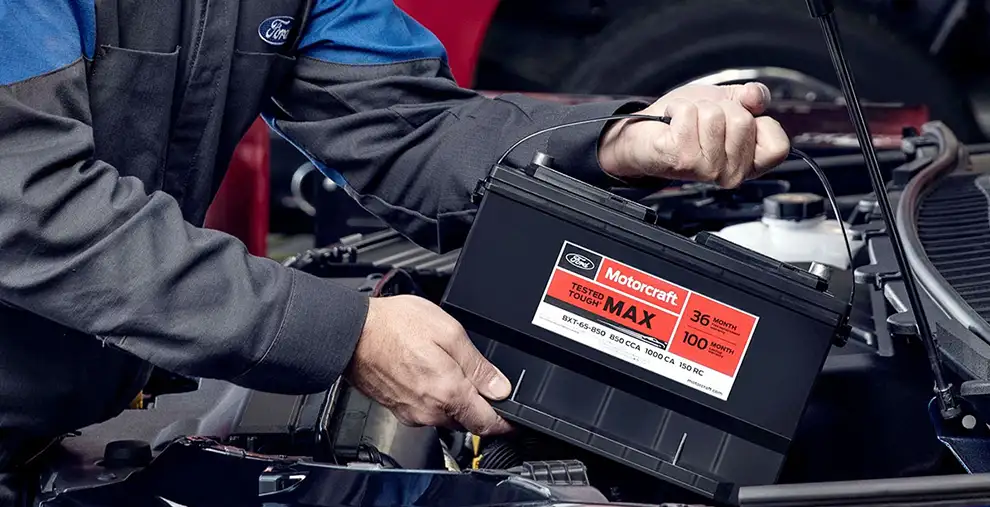
High heat and humidity are hard on vehicle batteries — especially across the Gulf Coast and Southeast. The chemical reaction inside a car battery speeds up in warm weather, shortening its lifespan.
Why It Matters
A weak battery might start fine one day and fail the next. Regular battery testing (usually during multi-point inspections) can identify issues early. Most batteries last 3 – 5 years, but many fail sooner in hot climates like Alvin, TX or Pensacola, FL.
Pro Tip
Have your battery tested before each season change and particularly before winter or summer road trips.
5. Fluid Inspections & Top-Offs
Keeping Systems in Balance
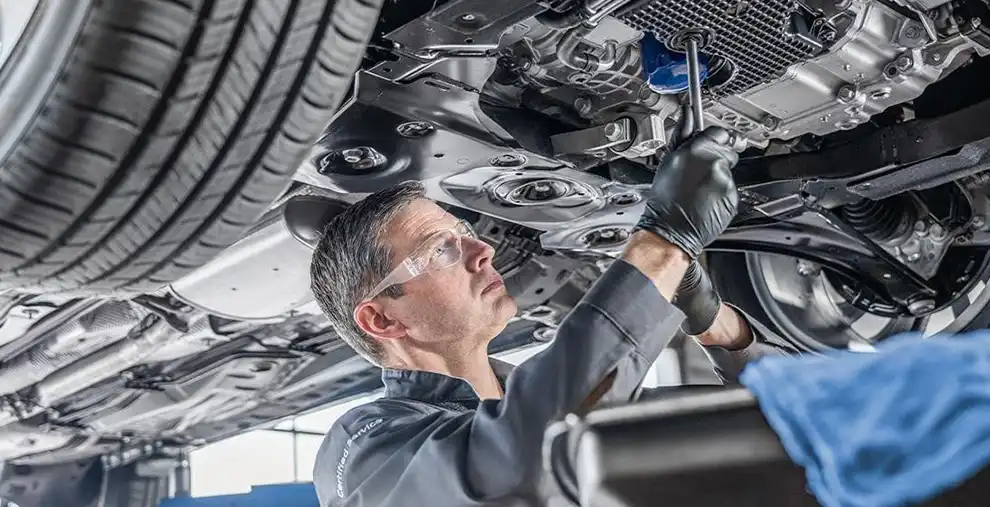
Your vehicle relies on multiple fluids beyond engine oil including coolant, brake fluid, power steering fluid, and transmission fluid. Each plays a vital role in safety and performance.
Why It Matters
Low or contaminated fluids can cause overheating, steering issues, or brake failure. Many dealerships include a fluid check as part of routine maintenance or a multi-point inspection.
Pro Tip
If you notice any colored fluid puddles (green, red, or brown) under your car, have it inspected right away. Catching a leak early can prevent major repairs later
6. Belt & Hose Replacement
Silent Heroes of Engine Health
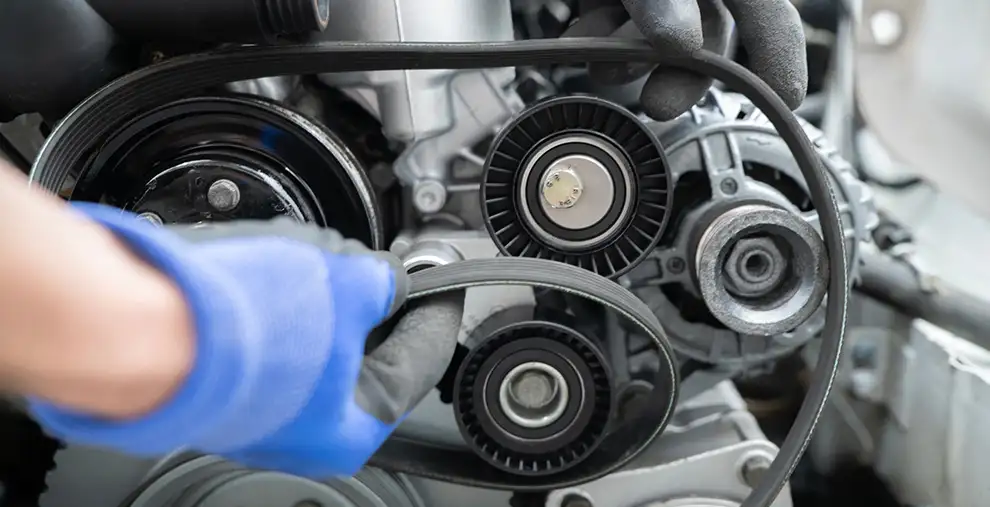
Your serpentine belt powers the alternator, A/C, and water pump. In addition, your radiator hoses move coolant through the engine. These rubber components naturally wear out with time and exposure to heat.
Why It Matters
A failed belt or burst hose can strand you on the side of I-75 near Atlanta or Highway 98 outside Fort Walton Beach. Most should be replaced every 60,000 – 100,000 miles, depending on age and condition.
Pro Tip
Have your belts and hoses visually inspected at every oil change. Cracking, fraying, or soft spots are warning signs.
7. Cabin & Engine Air Filters
Breathing Easier
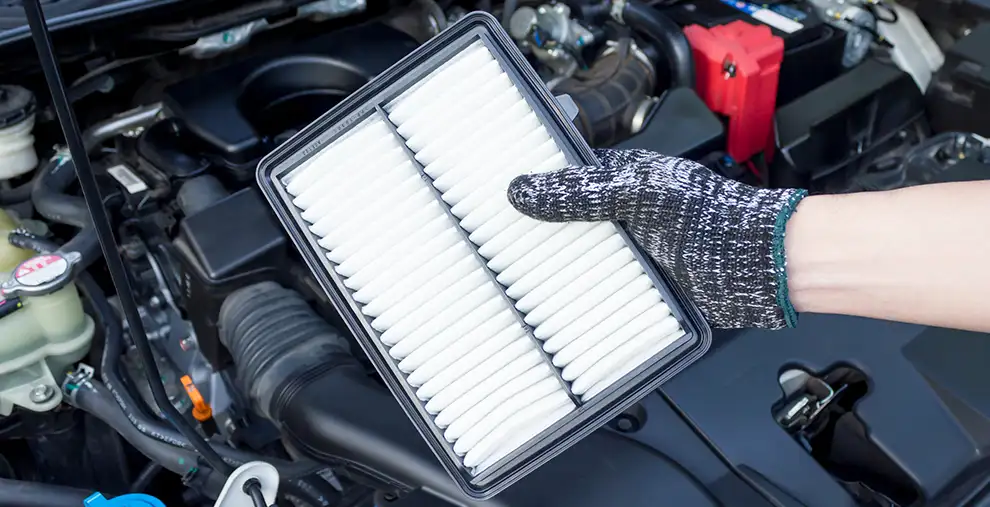
Cabin air filters trap pollen, dust, and pollutants before they reach your vents. Clean filters are a must-have for allergy-prone drivers in the Southeast’s high-humidity environments. Meanwhile, engine air filters protect your engine from debris and maintain fuel efficiency.
Why It Matters
A dirty filter can reduce airflow, lower MPG, and even stress your HVAC system. Replace cabin filters about every 15,000 – 25,000 miles (or sooner in dusty regions).
Pro Tip
If your A/C smells musty or airflow feels weak, check your cabin filter first. It’s an inexpensive fix that makes a big difference.
8. Recall and Warranty Work
Repairs You Should Never Pay For
One of the most overlooked types of service is manufacturer recall work — repairs issued by automakers for safety or reliability reasons. These are performed at no cost to the owner, yet many drivers never schedule them.

Why It Matters
Ignoring open recalls can lead to safety issues or reduce your vehicle’s value. Dealership service centers in Houston, Atlanta, Pensacola, and Huntsville can quickly check for any outstanding recalls based on your VIN and take care of them while you’re in for regular service.
Pro Tip
When scheduling maintenance, ask your advisor to perform a recall check — it’s free and ensures your vehicle stays factory-safe.
Why Routine Service Pays Off
Regular maintenance is more than just following the owner’s manual, it’s protecting your investment. Dealerships throughout the Southeast United States report that the vehicles that stay on factory-recommended service schedules:
- Last longer
- Require fewer major repairs
- Maintain higher resale values
- Offer better fuel efficiency
Whether you’re in Smyrna, GA, Florence, AL, Alvin, TX, or Pensacola, FL, staying proactive with basic maintenance helps your vehicle handle Southern heat, humidity, and highway miles with ease. The best time to service your car is before it tells you something’s wrong. Routine oil changes, brake inspections, and tire rotations are the foundation of reliable driving — and most dealerships make scheduling easy online or by phone. When you take care of your car on schedule, it takes care of you on the road.
Schedule Service Appointment